Programme Overview
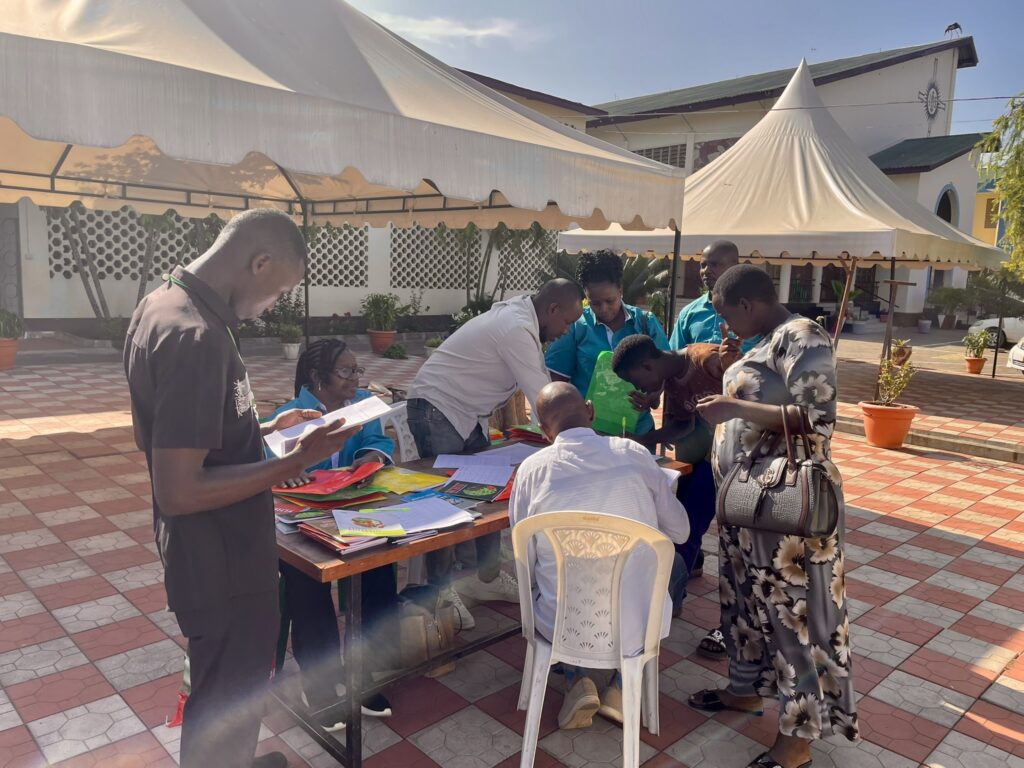
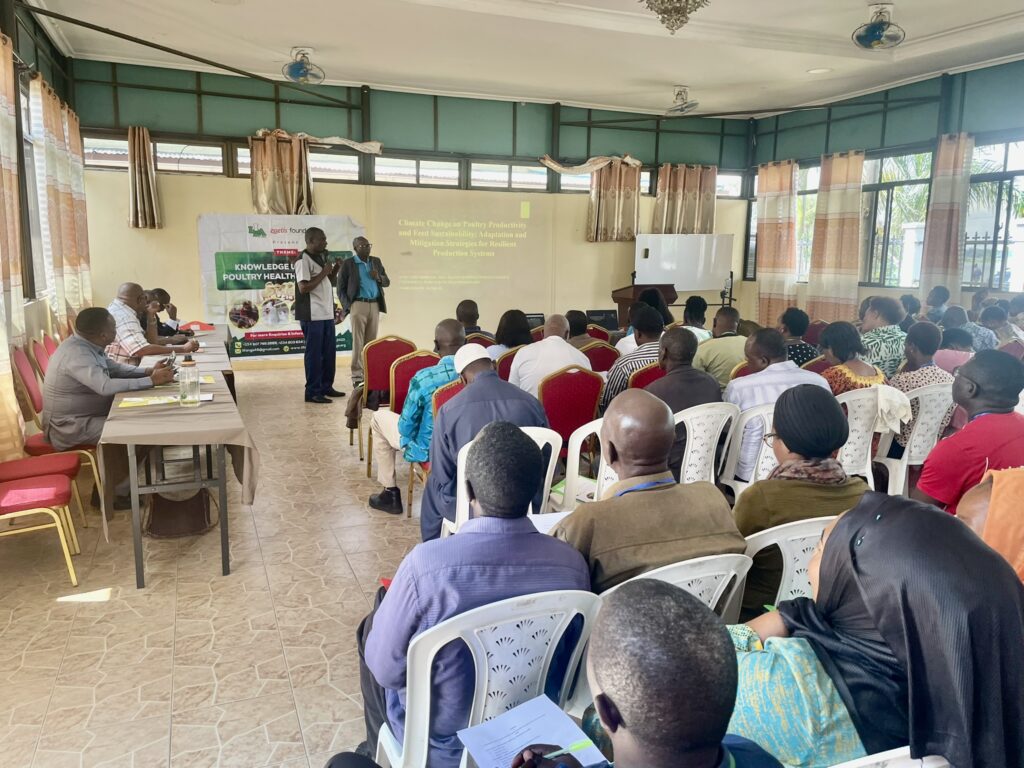
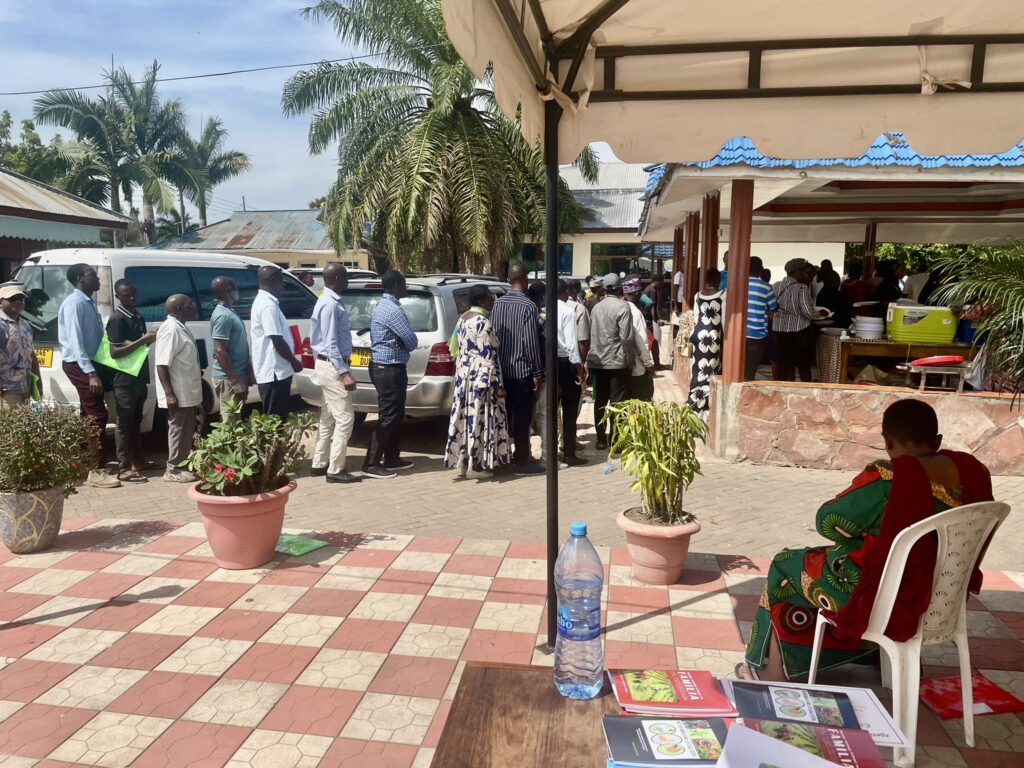
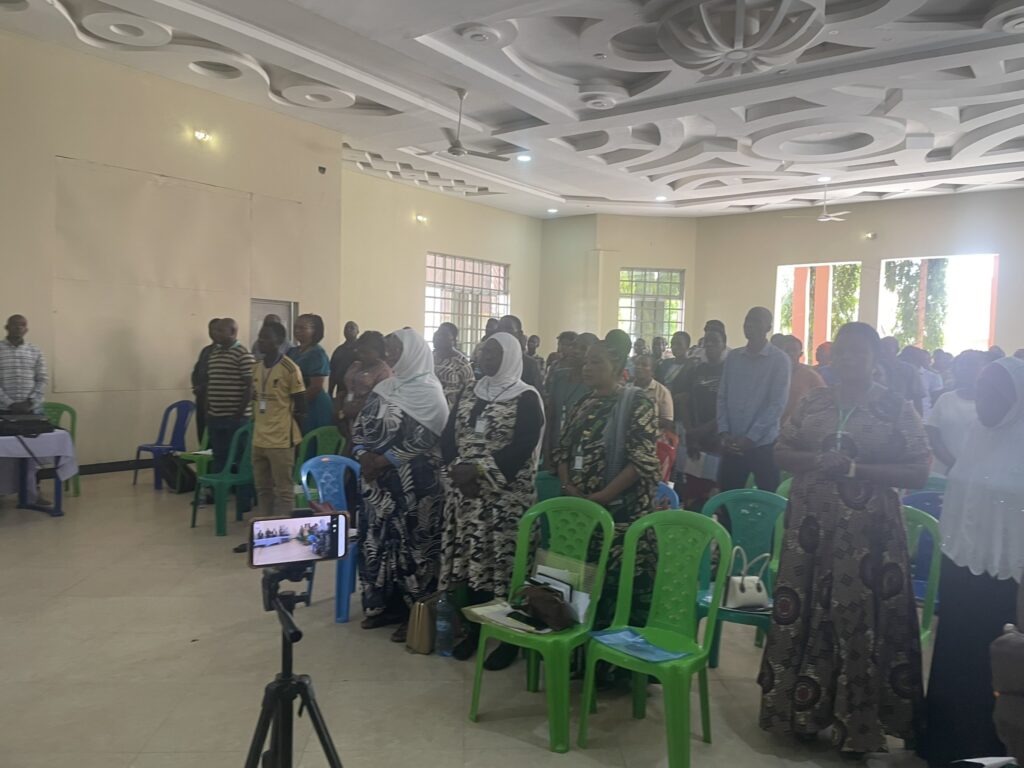
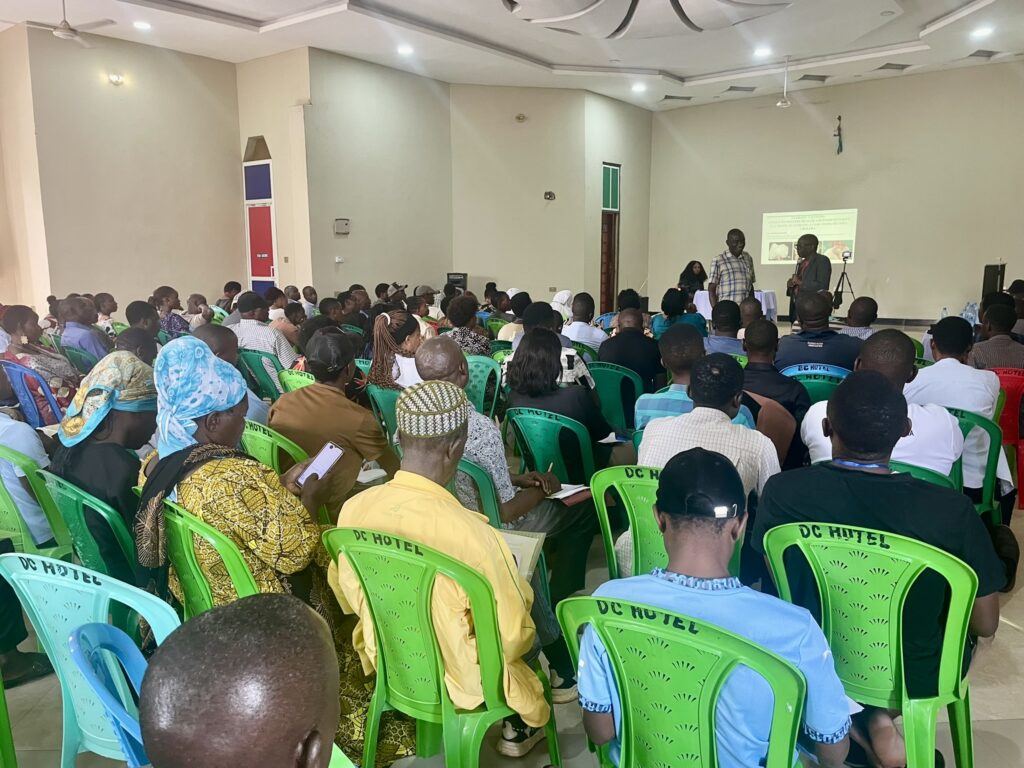
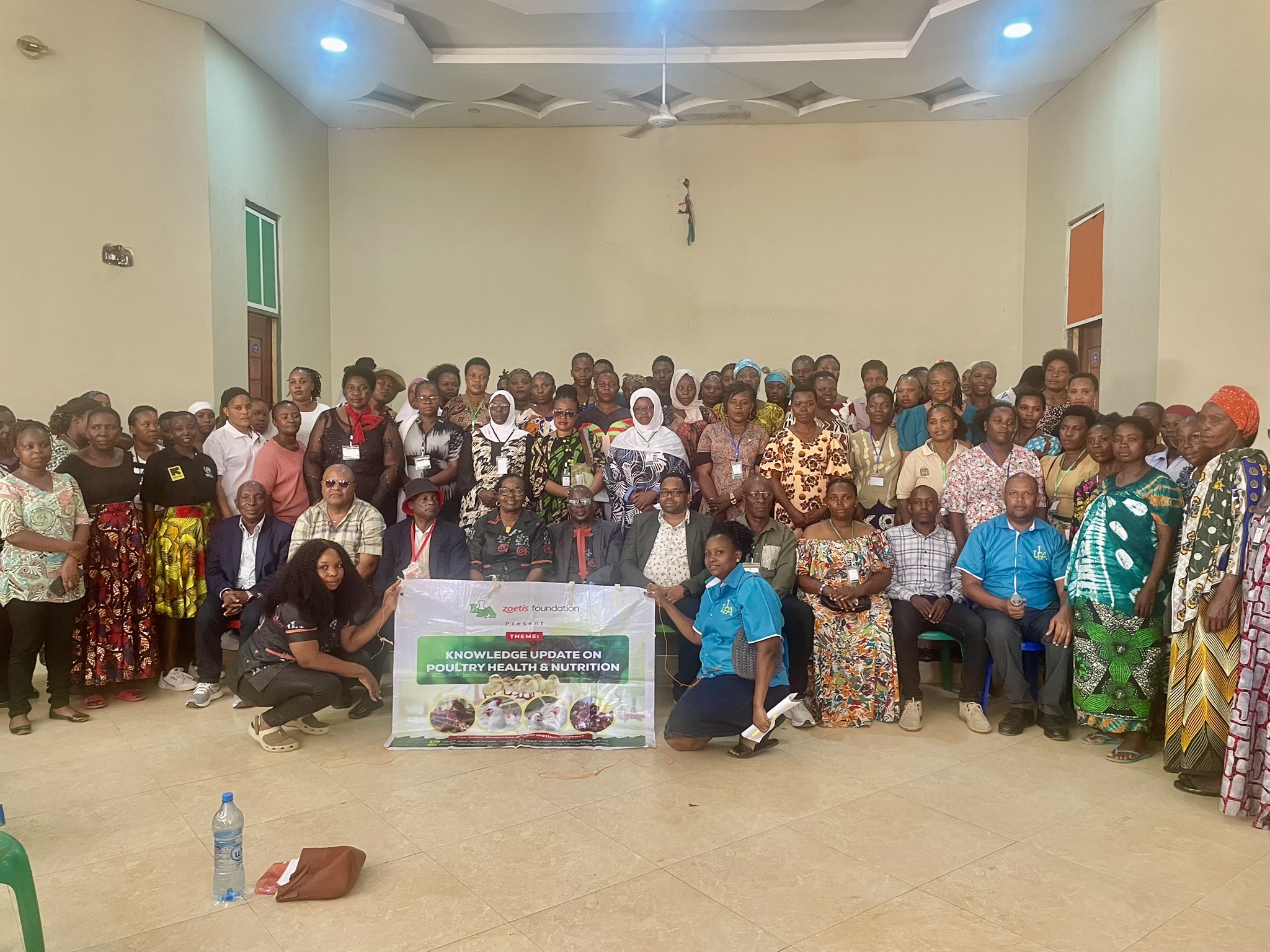
The Tanzania Knowledge Update training programme was successfully held in Mwanza and Geita on the 11th and 13th of November, 2025. The programme was initially scheduled for 4th and 6th November, 2025, but due to political unrest experienced during that period, the event was rescheduled to ensure the safety of participants and facilitators.
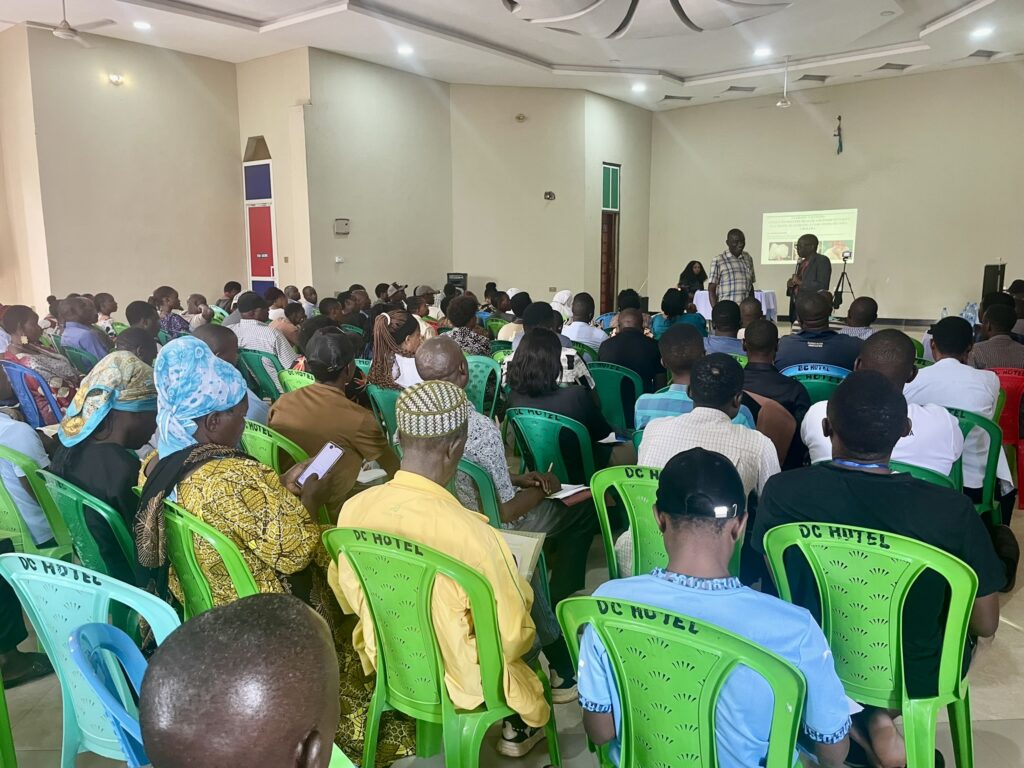
Despite these challenges, Livestock Industry Foundation for Africa (LIFA), led by Dr. Stephen Adejoro, proceeded with the programme in line with its mission to strengthen livestock productivity across Sub-Saharan Africa. The primary objective was to equip farmers, students, veterinarians, animal scientists, and other poultry industry stakeholders with up-to-date, practical knowledge to improve productivity, resilience, and sustainability.
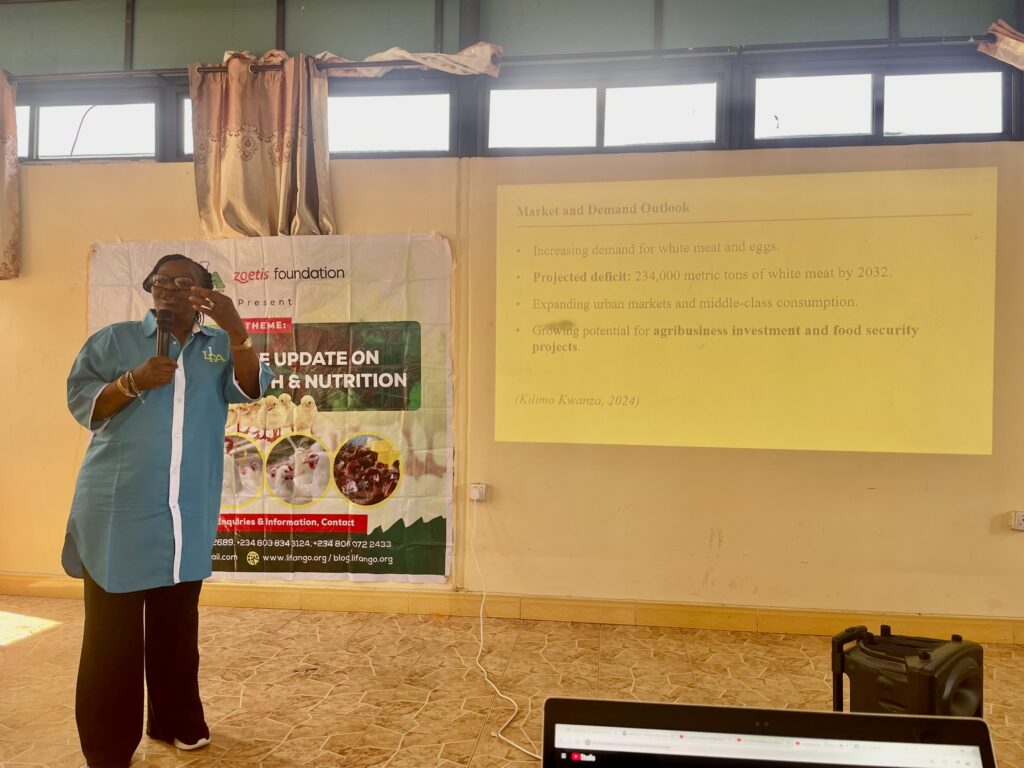
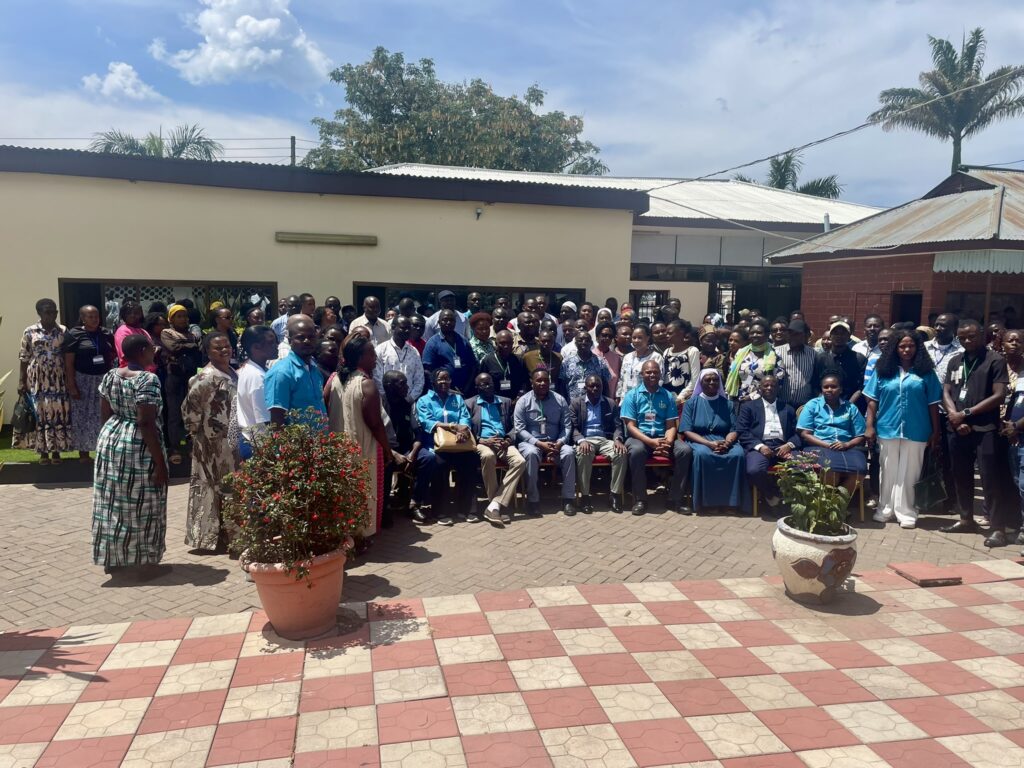
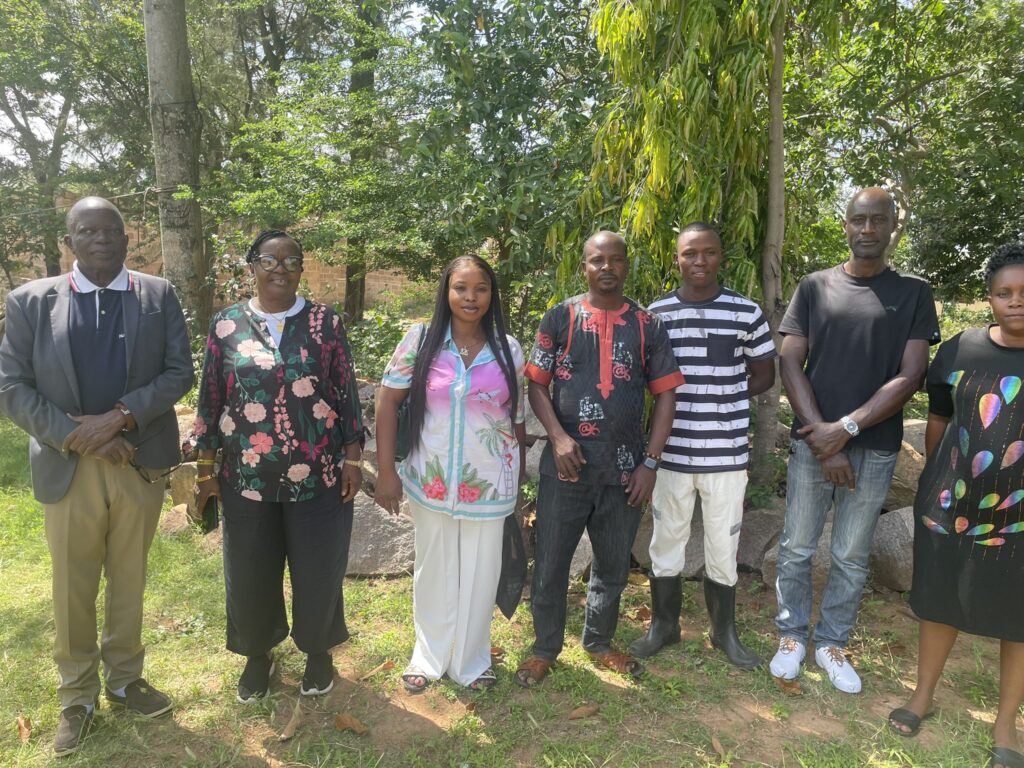
The programme was generously supported by the Zoetis Foundation, whose commitment to enhancing animal health and food security in Sub-Saharan Africa aligns strongly with LIFA’s vision. The training attracted several dignitaries from the livestock sector, and attendance remained impressive despite the country emerging from a period of political instability.
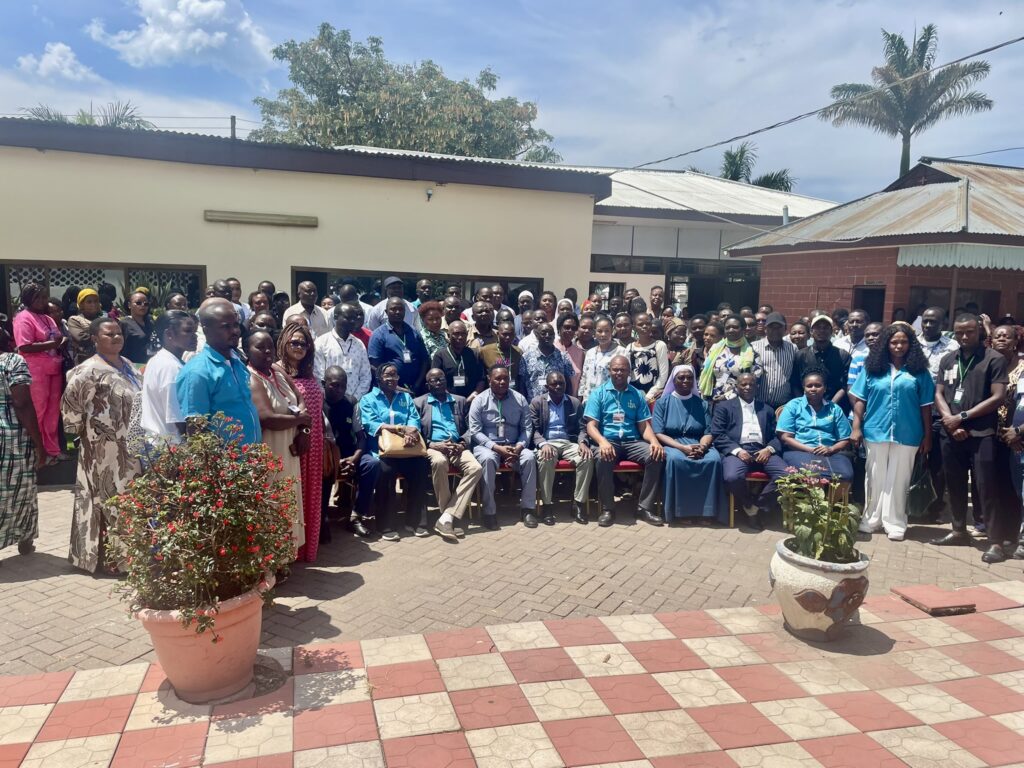
Over 400 livestock farmers and stakeholders participated actively in the training, reflecting strong demand for practical, science-based capacity building in the poultry sector.
Key Lectures and Knowledge Sharing
Challenges of Poultry Farming
Presented by Dr. Solomon
Introduction
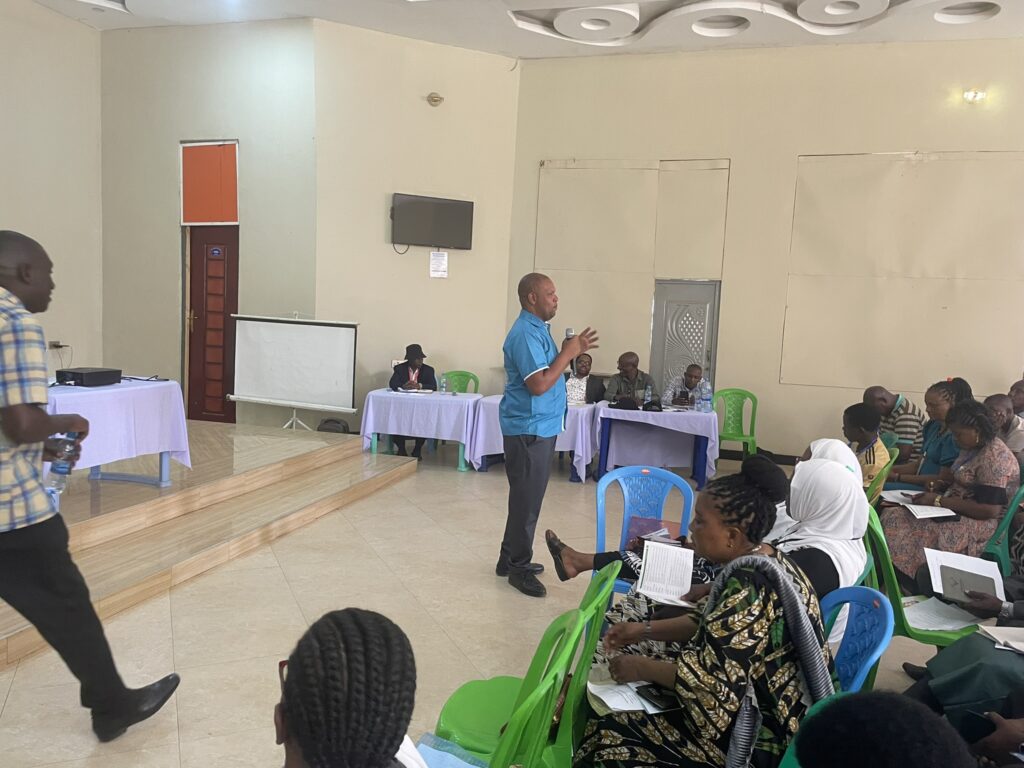
Poultry farming remains one of the most promising agribusiness opportunities in Africa, particularly in Tanzania. Farmers engage in the rearing of local, crossbred, and improved poultry breeds due to the multiple benefits derived from eggs, meat, manure, and feathers. However, like other livestock sectors, poultry farming faces significant challenges that negatively affect productivity and profitability.
Major Challenges and Practical Solutions
1. Poultry Diseases
Diseases remain one of the most serious challenges confronting poultry farmers. Chickens are highly vulnerable to infections due to environmental exposure and human-related activities. Once disease enters a poultry house, it can result in heavy losses, increased medication costs, and persistent mortality.
Solutions
- Maintain strict hygiene within poultry houses and surrounding farm areas
- Provide clean and safe drinking water at all times
- Follow vaccination schedules accurately and timely
- Ensure vaccines are properly stored and not expired
2. Poor Feed and Nutrition
Inadequate nutrition leads to poor growth, increased disease susceptibility, and reduced productivity. Chickens require balanced diets containing proteins, carbohydrates, fats, minerals, and vitamins. Feed quality should not be judged by brand names alone, and reliance on single feed components such as bran often leads to failure. High feed costs further compound the challenge.
Solutions
- Invest in high-quality feed despite higher costs
- Formulate feed using correct rations based on bird age
- Use alternative nutrient sources such as maggots, earthworms, green forages, and azolla
- Minimize feed wastage through proper feeding systems
- Encourage the establishment of regional feed mills, especially in the Lake Zone
3. Limited Access to Quality Chicks
Many farmers struggle to access high-quality chicks. Poor-quality chicks exhibit slow growth, weak disease resistance, and low egg and meat production, making commercial poultry farming unprofitable.

Solutions
- Purchase chicks from certified and reputable hatcheries
- Conduct health checks before purchasing chicks
- Promote the establishment of hatcheries within the Lake Zone
- Avoid unreliable intermediaries
4. Inadequate Capital
High startup costs such as housing, chicks, and feed limit farmers’ ability to operate efficiently. Without access to affordable financing, many farmers fail to reach optimal production levels.
Solutions
- Start small and expand gradually as experience grows
- Access loans from livestock-friendly financial institutions
- Implement reasonable loan repayment grace periods
- Form cooperatives and investment groups
5. Market Access Challenges
While demand for eggs and poultry meat continues to rise, market access remains unstable. Seasonal fluctuations and competition from large-scale producers and imports affect prices.
Solutions
- Develop strong marketing strategies
- Provide government subsidies for feed and chicks
- Promote cooperative marketing to reduce exploitation by middlemen
- Maintain consistent product quality
6. Lack of Laboratories and Technical Experts
The shortage of diagnostic laboratories and poultry specialists in the Lake Zone results in trial-and-error disease management.
Solutions
- Establish diagnostic laboratories at district levels
- Increase farm visits by livestock officers
- Develop research and breeding centers for locally adapted poultry breeds
7. Trust and Integrity Issues
Unethical practices such as selling unvaccinated chicks, adulterated feed, and mislabelled breeds undermine farmer confidence and productivity.
Solutions
- Companies should employ verified agents
- Continuous improvement in feed and chick quality
- Farmers should exercise patience and avoid shortcuts
Climate Change, Poultry Productivity, and Feed Sustainability
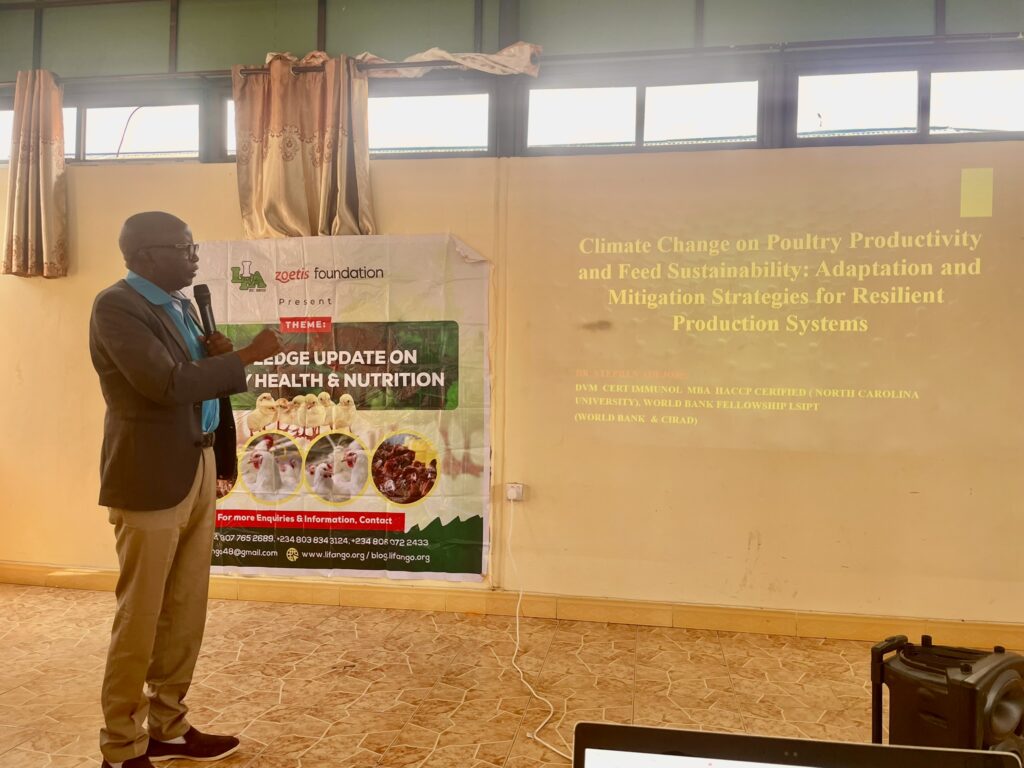
By Dr. Stephen Adejoro
Climate change is no longer a future concern it is already reshaping poultry production in Tanzania and across Sub-Saharan Africa. Rising temperatures, erratic rainfall, and extreme weather events reduce bird performance through heat stress, increase disease risks, and drive-up feed costs. These challenges threaten profitability, livelihoods, and food security.
Why Climate Change Matters
Poultry birds are highly sensitive to heat stress, which reduces feed intake, growth rate, egg production, and immunity. Climate change also disrupts crop production, increasing the cost of key feed ingredients such as maize and soybean meal. Feed alone accounts for over 60% of poultry production costs, making feed sustainability a critical issue.
Climate-Smart Poultry Production
Climate-smart poultry systems aim to:
- Sustainably increase productivity
- Enhance resilience to climate stress
- Reduce greenhouse gas emissions
- Improve resource-use efficiency
In essence, climate-smart poultry farming focuses on producing more with fewer resources while protecting both farmers’ livelihoods and the environment.
Feed Sustainability Through Local Resources
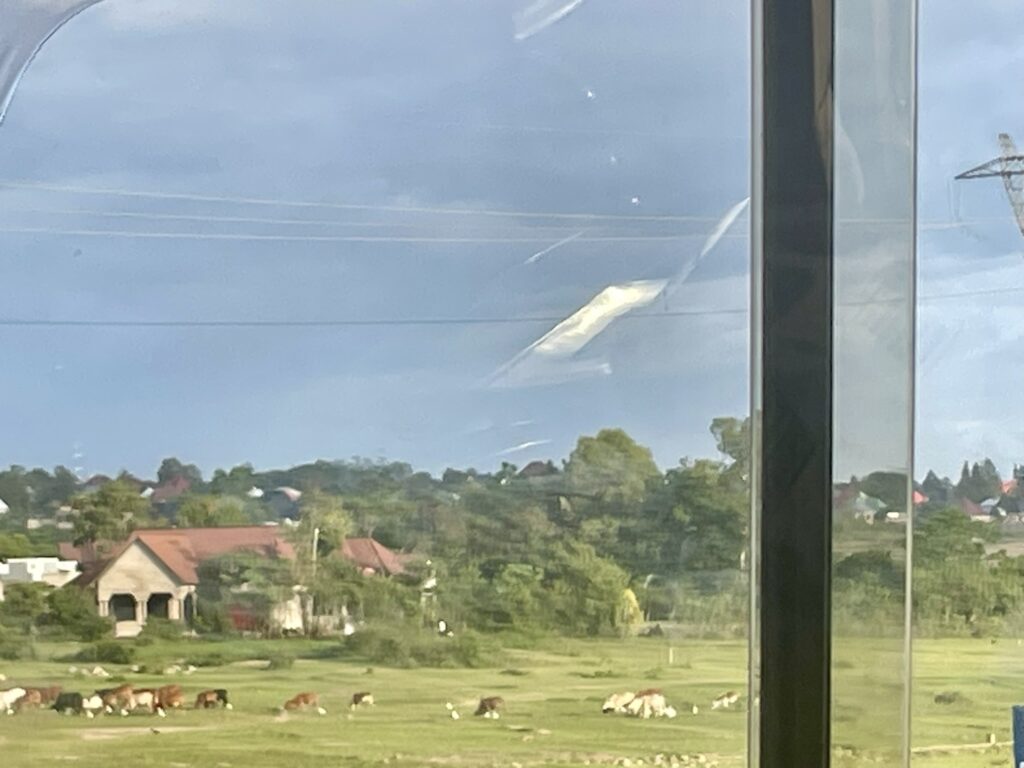
Reducing dependence on imported feed ingredients is essential. Locally available materials such as maize bran, sunflower meal, banana stems, and cassava peels when properly processed can significantly reduce feed costs and environmental impact.
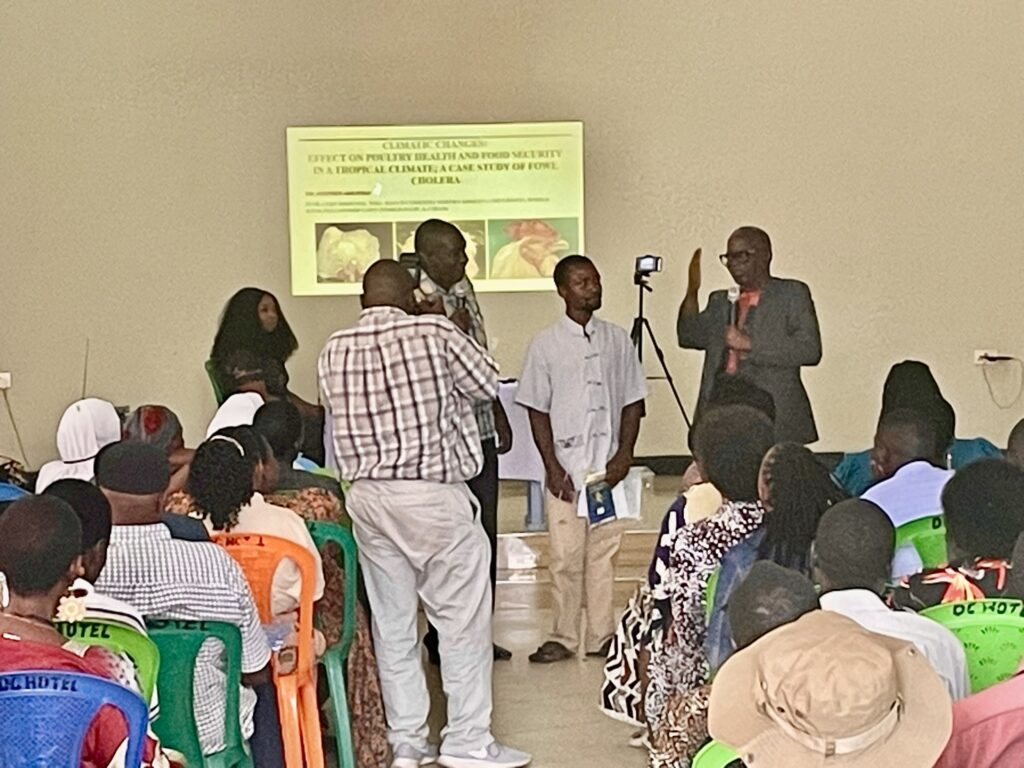
Climate Change, Poultry Health, and Food Security: Lessons from Fowl Cholera
By Dr. Stephen Adejoro
Introduction
Climate change intensifies disease pressure in tropical poultry systems by weakening immunity, increasing toxin exposure, and worsening feed hygiene. Fowl cholera (Pasteurella multocida) remains one of the most damaging poultry diseases under such conditions.
Disease Patterns and Production Losses
Fowl cholera is often chronic and recurrent, commonly reappearing at 12-week intervals. Liver damage especially fatty degeneration impairs metabolism, egg production, and drug effectiveness, leading to persistent losses.
Case Study: South-West Nigeria
Evidence from South-West Nigeria showed that medication alone was insufficient. Significant improvements occurred only after dietary adjustments, particularly reducing energy, increase protein and methionine levels, which supported liver regeneration and reduced mortality.
Expert Insights
Global experts emphasize that:
- Biosecurity and hygiene are fundamental
- Vaccination alone is insufficient
- Feed hygiene and toxin binders are critical in the tropics
- Nutrition and veterinary care must work together

Conclusion
Fowl cholera highlights the strong interaction between climate change, nutrition, and disease. Effective control requires integrated strategies combining chemotherapy, nutrition, biosecurity, and management. As climate risks intensify, climate-smart poultry health systems are essential for sustainable production, livelihoods, and food security in Sub-Saharan Africa.